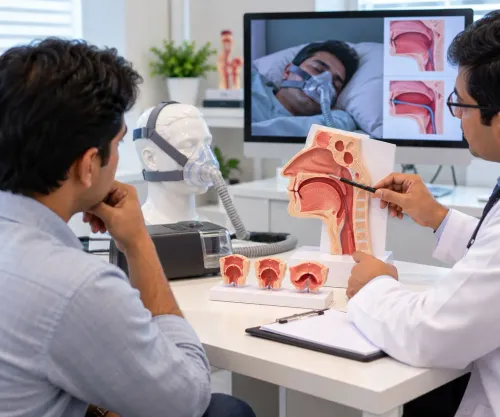

Persistent ear infections that do not improve with medication can sometimes spread beyond the middle ear and affect the mastoid bone, a honeycomb-like structure located behind the ear. While this may sound alarming, timely diagnosis and appropriate treatment can prevent complications and preserve hearing. If your ENT specialist has suggested consulting a mastoid surgery specialist in Bangalore, understanding the procedure and why it is recommended can help ease concerns.
Mastoid surgery is not performed for every ear infection. It is generally advised only when chronic disease has affected the mastoid bone or when medical treatment alone is unlikely to resolve the problem. Modern surgical techniques have made the procedure more precise, with the goal of removing disease while protecting important ear structures.
What Is the Mastoid Bone?
The mastoid bone forms part of the skull and is located just behind the ear. It contains multiple tiny air-filled spaces that connect to the middle ear. These air cells help regulate pressure and support the normal functioning of the ear.
When infection repeatedly affects the middle ear, it can gradually spread into these air cells. Over time, this may damage surrounding tissues and increase the risk of complications if left untreated.
Why Might Mastoid Surgery Be Needed?
Most ear infections respond well to medication, but certain situations require surgical intervention.
An ENT specialist may recommend mastoid surgery when there is:
- Chronic ear infection that keeps returning
- Persistent ear discharge despite treatment
- Infection involving the mastoid bone
- A perforated eardrum associated with chronic disease
- Hearing loss caused by long-standing infection
- Presence of abnormal tissue growth such as cholesteatoma
- Complications affecting nearby structures
The primary objective is to remove diseased tissue, eliminate infection, and preserve or improve ear function wherever possible.
Common Symptoms That Should Not Be Ignored
People requiring mastoid surgery often have symptoms that continue for months or repeatedly recur despite medication.
These may include:
- Continuous or recurring ear discharge
- Hearing loss
- Ear pain or discomfort
- Swelling behind the ear
- A feeling of pressure inside the ear
- Ringing in the ears
- Episodes of dizziness or imbalance
While these symptoms do not always indicate the need for surgery, they warrant evaluation by an ENT specialist.
How Is the Condition Diagnosed?
A thorough assessment helps determine whether mastoid surgery is necessary.
The evaluation may include:
- A detailed discussion about previous ear infections.
- Examination of the ear using an otoscope or endoscope.
- Hearing assessment to determine the extent of hearing loss.
- Imaging studies such as a CT scan when required to assess the mastoid bone.
- Review of previous treatments and their outcomes.
This comprehensive approach helps identify the underlying problem and guide the most appropriate treatment plan.
What Happens During Mastoid Surgery?
Mastoid surgery, commonly known as a mastoidectomy, is performed under general anaesthesia.
During the procedure, the surgeon carefully removes infected or damaged air cells within the mastoid bone while preserving healthy tissue whenever possible. If required, additional procedures such as eardrum repair or reconstruction of the hearing bones may be performed during the same surgery.
The exact surgical technique depends on the severity of the disease, the condition of the middle ear, and whether hearing restoration is also planned.
Advances in surgical equipment and magnification allow ENT surgeons to perform these procedures with greater precision than ever before.
What Is Recovery Like?
Recovery varies depending on the complexity of the surgery and the patient's overall health.
Most patients receive guidance that includes:
- Keeping the operated ear clean and dry
- Taking prescribed medications as directed
- Avoiding strenuous physical activity during the initial recovery period
- Attending scheduled follow-up visits
- Reporting any unusual pain, swelling, or discharge promptly
Hearing improvement may not be immediate, especially if additional reconstructive procedures have been performed. Healing continues over several weeks, and regular follow-up allows the surgeon to monitor recovery.
Are There Alternatives to Surgery?
In the early stages of infection, medical treatment remains the first option.
This may involve:
- Antibiotics
- Ear drops
- Professional ear cleaning
- Management of associated nasal or sinus conditions
However, if infection persists despite appropriate treatment or complications develop, delaying surgery may increase the risk of permanent damage to hearing and surrounding structures.
How Can Chronic Ear Disease Be Prevented?
Although not every case can be prevented, certain habits support long-term ear health.
These include:
- Seeking prompt treatment for ear infections
- Completing prescribed medication courses
- Avoiding self-cleaning with cotton buds or sharp objects
- Protecting the ears from contaminated water when advised
- Scheduling regular ENT follow-up if you have a history of chronic ear disease
Early diagnosis often reduces the likelihood of extensive surgery.
Choosing the Right Specialist
If you are looking for a mastoid surgery specialist in Bangalore, it is important to choose an ENT surgeon who has experience in managing chronic ear disease using modern diagnostic and surgical techniques. Every patient has unique needs, and treatment decisions should be based on a careful evaluation of symptoms, hearing function, and the extent of disease rather than on imaging alone.
At Dr. Sohini's ENT Care - Empathy meets Expertise, patients receive comprehensive assessment for chronic ear conditions, including persistent infections, hearing concerns, and diseases affecting the mastoid bone. The clinic emphasizes evidence-based treatment, clear patient communication, and individualized care plans for both adults and children.
Persistent ear discharge or repeated infections should never be ignored. Early consultation with an experienced ENT specialist can help prevent complications, protect hearing, and improve long-term ear health, allowing patients to return to their daily routines with greater comfort and confidence.
Keywords