Repeated ear discharge, hearing difficulties, and recurring ear infections can be frustrating and disruptive to everyday life. While occasional ear infections often resolve with appropriate treatment, persistent infections lasting for weeks or recurring over several months may indicate chronic otitis media. Seeking timely chronic otitis media treatment in Bangalore can help prevent complications and preserve hearing.
Understanding what chronic otitis media is, why it develops, and the treatment options available can empower patients to make informed decisions about their ear health.
What Is Chronic Otitis Media?
Chronic otitis media refers to long-standing inflammation or infection of the middle ear. Unlike an acute ear infection that typically improves within a short period, chronic otitis media may persist for months or repeatedly return despite treatment.
The condition often develops when the middle ear does not heal completely after an infection or when a perforated eardrum allows bacteria to repeatedly enter the ear.
Although it can affect people of any age, it is commonly seen in children and adults who experience recurrent ear infections, allergies, sinus problems, or poor Eustachian tube function.
Common Symptoms You Should Not Ignore
The symptoms of chronic otitis media may vary depending on the severity and underlying cause. Some people experience mild discomfort, while others notice ongoing problems that interfere with daily activities.
Common symptoms include:
- Persistent or recurring ear discharge
- Reduced hearing in one or both ears
- A feeling of fullness inside the ear
- Mild or intermittent ear pain
- Ringing in the ears (tinnitus)
- Occasional dizziness or imbalance
- A history of repeated ear infections
Symptoms that continue despite multiple courses of medication should always be evaluated by an ENT specialist.
Why Does Chronic Otitis Media Develop?
Several factors can contribute to long-term middle ear infections.
These include:
- Untreated or recurrent ear infections
- A persistent hole in the eardrum
- Poor drainage of the middle ear
- Eustachian tube dysfunction
- Chronic sinus infections
- Allergic conditions affecting the nose and throat
- Previous ear injuries
In some cases, repeated infections gradually damage the structures responsible for hearing, making early diagnosis particularly important.
How Is Chronic Otitis Media Diagnosed?
An accurate diagnosis is the foundation of effective treatment. During an ENT consultation, several assessments may be recommended depending on the patient's symptoms.
The evaluation often includes:
- A detailed discussion of symptoms and medical history
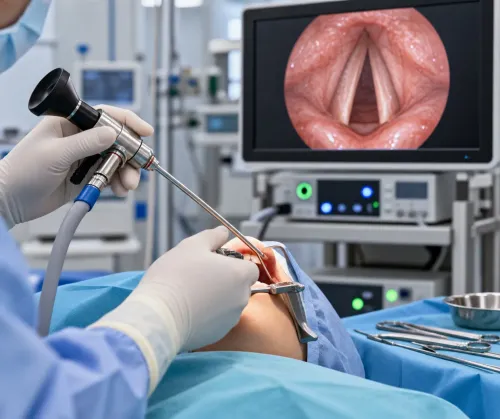
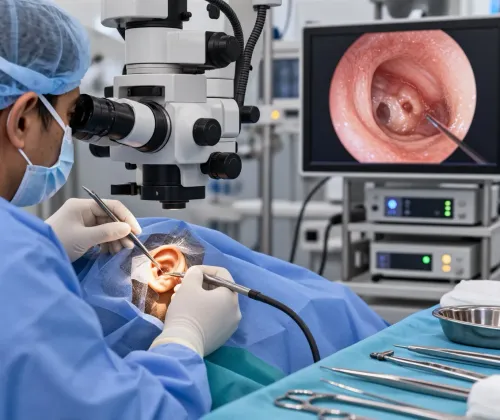
- Examination of the ear using an otoscope or endoscope
- Assessment of any ear discharge
- Hearing tests to measure the degree of hearing loss
- Imaging studies in selected cases if complications are suspected
The goal is to identify not only the infection but also its underlying cause.
Treatment Depends on the Cause
There is no single treatment that works for every patient. Management is tailored according to the severity of infection, the condition of the eardrum, hearing status, and overall ear health.
Treatment options may include:
Medical Management
Many patients benefit from:
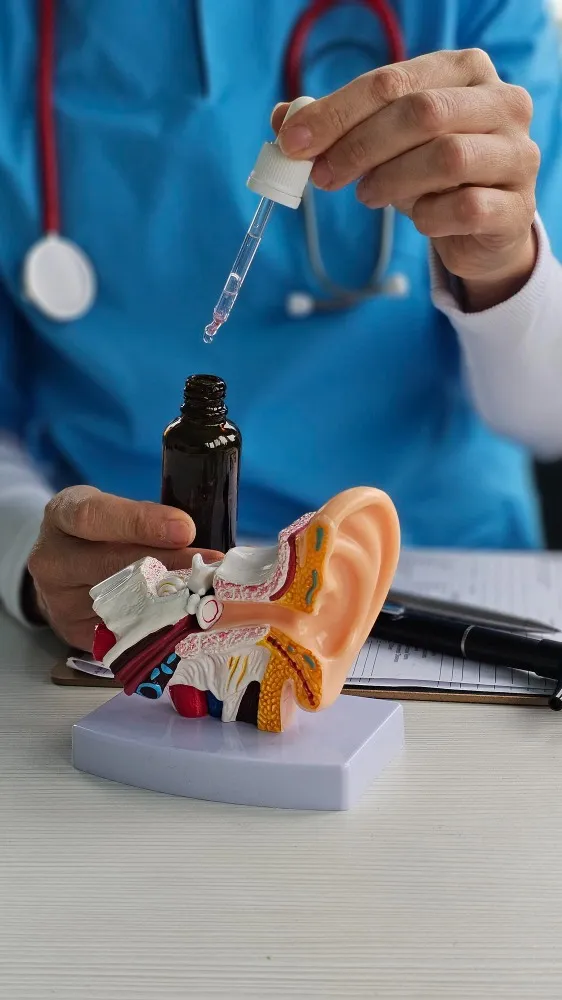
- Prescription ear drops
- Oral medications when appropriate
- Careful cleaning of the ear by an ENT specialist
- Treatment of associated nasal allergies or sinus disease
- Advice on keeping the ear dry during healing
Medical treatment focuses on controlling infection and reducing inflammation.
Surgical Treatment
If medical treatment does not resolve the problem, surgery may be considered.
Depending on the condition, surgical options may include:
- Repair of a perforated eardrum
- Removal of infected tissue
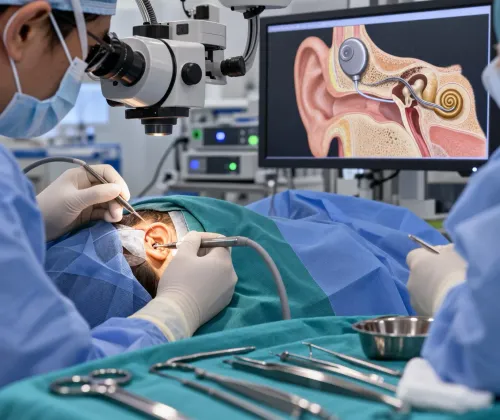
- Reconstruction of damaged middle ear structures
- Procedures to improve hearing where appropriate
The decision to operate is based on careful evaluation rather than symptoms alone.
Can Chronic Otitis Media Affect Hearing?
Yes. One of the most significant concerns with untreated chronic otitis media is gradual hearing loss.
Repeated infections can affect:
- The eardrum
- The tiny hearing bones inside the middle ear
- Sound transmission to the inner ear
Many patients notice increasing difficulty hearing conversations, especially in noisy environments. Children may experience delayed speech and learning challenges if hearing loss goes unnoticed.
Early intervention often improves the chances of preserving hearing.
What Happens If It Is Left Untreated?
Ignoring persistent middle ear infections may increase the risk of complications.
Possible complications include:
- Permanent hearing impairment
- Ongoing ear discharge
- Balance disturbances
- Spread of infection to nearby structures
- Formation of abnormal tissue growth within the middle ear
- Damage to delicate ear structures
Although serious complications are uncommon with timely care, regular follow-up remains important.
Tips to Support Recovery
Alongside professional treatment, patients can help protect their ears by following a few practical measures.
These include:
- Avoid inserting cotton buds or sharp objects into the ear.
- Keep the ear dry while bathing or swimming if advised.
- Complete the prescribed course of medication.
- Attend follow-up appointments even if symptoms improve.
- Seek medical advice promptly if discharge or pain returns.
These simple precautions can reduce the likelihood of recurrent infections.
When Should You See an ENT Specialist?
Medical evaluation should not be delayed if you experience:
- Ear discharge lasting more than a few days
- Repeated ear infections
- Hearing loss
- Persistent ear pain
- Ear discharge with an unpleasant smell
- Dizziness associated with ear symptoms
Prompt diagnosis allows treatment to begin before complications develop.
For individuals seeking chronic otitis media treatment in Bangalore, choosing a clinic that offers comprehensive evaluation and individualized treatment is essential. At Dr. Sohini's ENT Care - Empathy meets Expertise, patients undergo detailed assessments using modern diagnostic techniques to identify the underlying cause of persistent ear infections. The clinic provides evidence-based treatment plans for both adults and children, focusing on symptom relief, infection control, hearing preservation, and long-term ear health.
Living with repeated ear infections should never become the norm. With timely diagnosis and appropriate care, many patients experience significant improvement in symptoms, better hearing outcomes, and a healthier quality of life.
Keywords