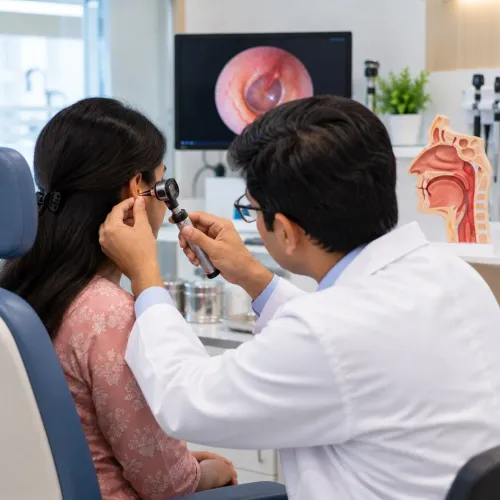
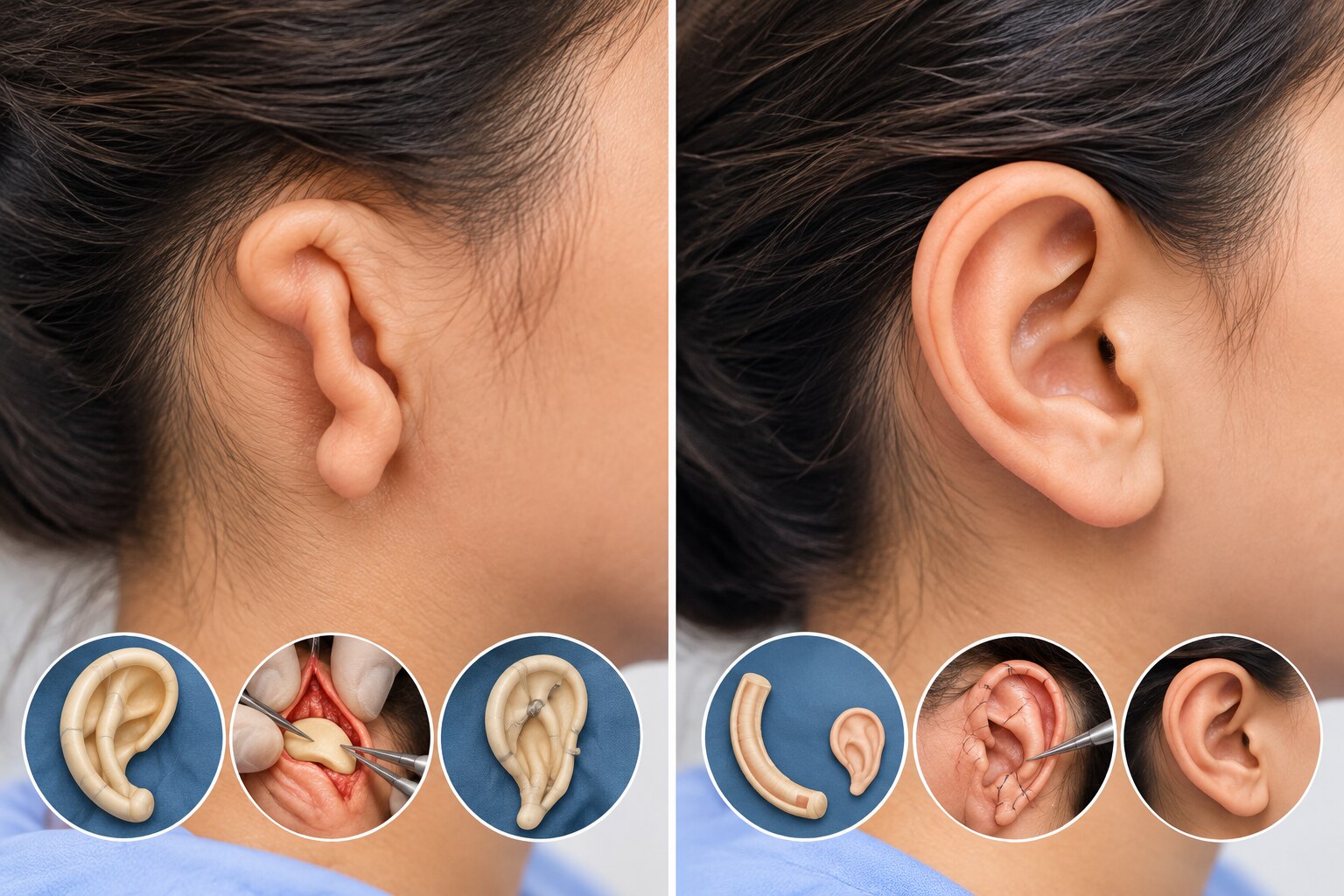
A torn earlobe, missing cartilage, infected wound, or misshapen outer ear does not carry the same medical risk, so choosing between treatment and observation starts with identifying the injury correctly. By the end, you will know which problems need urgent assessment, when leaving a stable deformity untreated is reasonable, and what to compare before choosing repair, reconstruction, prosthetic rehabilitation, or hearing-focused care.
Key takeaways
- Seek urgent care for exposed cartilage, uncontrolled bleeding, infection, or facial weakness.
- Untreated cartilage damage can cause deformity, infection, pain, and narrowed ear canals.
- Match repair to the defect: earlobe repair, cartilage reconstruction, grafting, or staged surgery.
- Ask Bangalore surgeons about experience, hearing assessment, risks, timing, and expected symmetry.
Is the damaged ear a cosmetic problem or an urgent injury?
A damaged ear is urgent when tissue, cartilage, hearing, or facial-nerve function is threatened—not merely because it looks different. The term includes a torn or elongated earlobe, partial or complete pinna loss, cartilage injury, post-traumatic deformity, bite or burn wounds, infection-related tissue loss, and damage after piercing or previous surgery.
It also includes auricular hematoma, canal obstruction, and suspected eardrum, middle-ear, temporal-bone, hearing, or facial-nerve injury.
1. Seek emergency or urgent ENT assessment for exposed cartilage, tissue loss, contaminated or bite wounds, uncontrolled bleeding, increasing redness, severe pain, swelling, pus, fever, drainage, or new hearing change. After trauma, a small external wound can conceal canal, eardrum, facial-nerve, or temporal-bone damage.
2. Treat an auricular hematoma promptly. Blood trapped between the cartilage and its perichondrium can deprive cartilage of nutrition; prompt drainage and a pressure dressing help prevent permanent cauliflower ear. Do not treat it like an ordinary bruise.
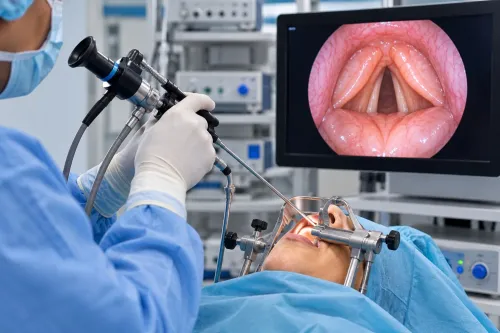
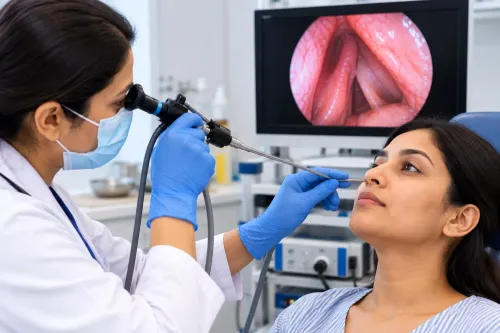
3. Arrange examination before choosing reconstruction or observation. The clinician may order audiometry when hearing or the eardrum is involved, and CT or other imaging when the canal, middle ear, facial nerve, or bone may be injured.
A stable elongated earlobe or old deformity can be elective, but infection can destroy cartilage and worsen the defect. Searching for damaged ear treatment in Bangalore should therefore lead to an assessment that separates cosmetic repair from wound care, otology, reconstruction, or hearing treatment.
What happens if you leave a damaged ear untreated?
A stable deformity with normal hearing, no infection, drainage, or obstruction can be medically reasonable to leave untreated when appearance is the only concern. The trade-off is ongoing asymmetry, self-consciousness, or difficulty wearing spectacles, helmets, masks, or hearing devices.
| Situation | If left untreated | Appropriate next step |
|---|---|---|
| Stable outer-ear deformity | Appearance and practical problems may persist without threatening hearing | Observation or elective repair |
| Unstable cartilage, exposed tissue, pain, drainage, or recurrent infection | Cartilage can die or be destroyed, making later reconstruction harder | Prompt ENT assessment |
| Canal narrowing or eardrum injury | Hearing loss can remain hidden behind a small visible injury | Ear examination and hearing testing |
A visible defect can coexist with normal hearing, while a minor-looking external injury can conceal hearing loss, canal damage, or facial-nerve injury. Do not judge urgency by appearance alone.
An earlobe tear or elongation is often an elective repair, especially after piercing, and observation is reasonable if it causes no functional problem. A canal injury or perforated eardrum is different: it can affect hearing and needs a separate otologic assessment rather than cosmetic treatment alone.
Seek prompt care for increasing redness, pus, fever, severe pain, bleeding, exposed cartilage, new drainage, or progressive deformity. Anyone searching for ear deformity treatment in Bangalore should confirm whether the consultation includes ENT examination and audiometry when the canal or eardrum could be involved.
Which repair or reconstruction option matches the defect?
Direct closure fits a selected small defect with enough healthy skin to meet without tension. Larger skin or soft-tissue gaps need local tissue rearrangement or a flap; cartilage grafting rebuilds structural support when the rim or framework has collapsed. Complex or total-pinna loss commonly requires staged reconstruction.
Match the repair to the defect:
- Earlobe tear or elongation: earlobe repair closes and reshapes the lobe, but it does not rebuild the cartilage framework or correct every ear deformity.
- Partial pinna loss: flap coverage replaces missing nearby skin; cartilage grafting restores a stable rim or contour.
- Congenital microtia or severe pinna loss: compare a rib-cartilage framework, porous polyethylene implant, and auricular prosthesis.
- Canal, eardrum, or middle-ear disease: pursue otologic treatment rather than an external cosmetic repair alone.
| Option | Operations and trade-offs | Main risks or upkeep |
|---|---|---|
| Autologous rib cartilage | Usually staged; uses the patient’s tissue, with chest donor-site pain or scarring; feels more natural and avoids a permanent implant | Durable, but contour changes and revision can occur |
| Porous polyethylene | Often fewer stages; no rib harvest and less donor-site morbidity; framework sensation remains limited | Infection or implant exposure can require removal or revision |
| Auricular prosthesis | May avoid reconstruction surgery; removable and replaceable, requiring cleaning and attachment maintenance | No normal sensation; adhesives or anchors need upkeep, and fit can change |
External reconstruction restores form more reliably than hearing. Aural atresia, ossicular abnormalities, perforated eardrum, canal narrowing, or middle-ear disease require separate hearing tests and, when indicated, bone-conduction amplification, canal surgery, or other otologic treatment. Compare ear reconstruction options in Bangalore by defect, staging, and hearing plan—not appearance alone.
How should you choose a surgeon and treatment plan in Bangalore?
A Bangalore location does not determine the right operation. For ear reconstruction options in Bangalore, ask whether the lead clinician is an ENT specialist, facial-plastic or reconstructive surgeon, or a coordinated team. The plan must match trauma, microtia, prominent ear, cancer-related tissue loss, infection, or hearing disease—not assume cosmetic otoplasty.
Ask the team to assess:
- Defect location and size, remaining skin and cartilage, blood supply, and scar tissue
- Infection, smoking, diabetes, previous operations, age, and anaesthesia needs
- Chest development before rib-cartilage reconstruction and any associated craniofacial conditions
- Your cosmetic goals, hearing goals, and practical needs
| Team setup | Best fit | Verify |
|---|---|---|
| ENT specialist | Canal, eardrum, middle-ear, infection, or hearing disease | Audiometry and otologic treatment |
| Facial-plastic or reconstructive surgeon | Skin, cartilage, pinna, cancer, or traumatic tissue loss | Reconstructive experience and revision policy |
| Coordinated team | Combined appearance and hearing problems | Who performs each stage and manages complications |
Before choosing ear repair surgery in Bangalore, confirm hearing tests, ear-canal and middle-ear management, anaesthesia review, postoperative dressings, treatment of infection or other complications, and arrangements for revision.
Dr. Sohini's ENT Care - Empathy meets Expertise can be a useful starting point when you want an ENT assessment connected to reconstruction, provided the clinic clearly explains who performs each part of care.
Related services
Surgical Procedures Ear Procedures like Reconstruction and Piercing Restore confidence in your ear aesthetics with Dr. Sohini Chakrabarti's specialized ear procedures. View service → |
Surgical Procedures Ear Surgeries (Microscopic and Endoscopic) Embark on a journey to optimal hearing health with the expertise of Dr. View service → |
What should you expect from ear reconstruction before deciding?
Do not assume ear reconstruction is a single operation. Framework creation, skin coverage, elevation of the ear from the scalp, and contour refinement often require separate procedures with healing intervals; selected acquired defects can be repaired in one operation.
| Plan | What recovery involves | Main trade-off |
|---|---|---|
| Staged reconstruction | Framework, coverage, elevation and refinement occur separately | More healing periods and revision decisions |
| Single-operation repair | Selected acquired defects are closed or reshaped at once | Suitable only when tissue and defect allow it |
| Observation | No surgical recovery or wound care | The deformity and its practical effects remain |
Surgery improves form but cannot guarantee perfect symmetry. Recognised complications include bleeding or hematoma, infection, altered sensation, scar problems, recurrence, overcorrection, implant exposure, and dissatisfaction with asymmetry. Smoking, poor wound healing, diabetes, active infection, or pressure on the ear can increase risk or delay reconstruction.
Ask what recovery involves before choosing ear deformity treatment in Bangalore or ear repair surgery in Bangalore. Clarify the expected number of operations, dressing restrictions, time away from work or school, likelihood of revision, and how complications will be managed.
Treat urgent injury first and investigate hearing separately. Consider reconstruction when form or function matters enough to justify recovery and revision risk; choose observation when the deformity is stable and you accept its appearance and practical effects.
Frequently asked questions
Is a damaged ear a cosmetic problem or an urgent injury?
It is urgent when bleeding will not stop, cartilage is exposed, tissue is detached, infection is spreading, hearing changes suddenly, or facial weakness appears. A stable torn earlobe or old deformity can usually be assessed through a planned consultation.
What happens if you leave a damaged ear untreated?
The ear can heal with contour deformity, scarring, chronic pain, infection, or tissue loss. Untreated canal or middle-ear injuries can also affect hearing, while delayed care can reduce reconstruction options.
Which repair or reconstruction option matches the defect?
A torn earlobe may need layered repair. Missing skin can require local flaps or skin grafts, while major cartilage loss may need cartilage grafting, an implant, or staged reconstruction. The choice depends on the injury, tissue quality, infection, hearing status, and desired appearance.
How should you choose a surgeon and treatment plan in Bangalore?
Choose an ENT or reconstructive surgeon who examines the ear, documents the defect, checks hearing when indicated, explains alternatives, and discusses risks, stages, recovery, and revision surgery. Ask to see relevant before-and-after cases and confirm where surgery and follow-up occur.
What should you expect from ear reconstruction before deciding?
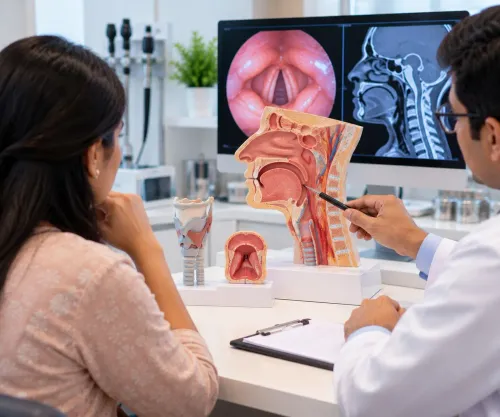
Expect an examination, photographs or measurements, and a discussion of hearing and facial-nerve function when relevant. The surgeon should explain anaesthesia, wound care, activity limits, scar placement, recovery time, possible asymmetry, and whether more than one procedure is needed.
Keywords