
Every child learns and grows at their own pace, but hearing plays a fundamental role in speech, language, learning, and social development. Even a mild hearing problem can make it difficult for a child to understand sounds, develop clear speech, or interact confidently with others. A timely pediatric hearing assessment in Bangalore helps identify hearing concerns early, allowing children to receive appropriate care during the most important years of development.
Parents often assume that if a child responds to loud sounds, their hearing is normal. However, some hearing problems affect only certain sound frequencies or develop gradually, making them difficult to notice without a professional evaluation.
Why Is Hearing So Important During Childhood?
Children begin learning language from the moment they are born. They listen to voices, recognize sounds, and gradually learn to understand and speak words. Good hearing supports every stage of this process.
When hearing is affected, children may experience challenges with:
- Speech and language development
- Pronunciation and vocabulary
- Classroom learning
- Following instructions
- Social interaction
- Emotional confidence
The earlier hearing difficulties are identified, the better the opportunities for effective intervention and healthy development.
When Should Parents Consider a Hearing Assessment?
A hearing evaluation is recommended whenever there are concerns about a child's hearing, speech, or communication skills.
Parents should consider scheduling an assessment if their child:
- Does not respond consistently to sounds
- Frequently asks people to repeat themselves
- Has delayed speech development
- Speaks unclearly compared to children of the same age
- Turns up the television volume unusually high
- Frequently says 'What?' during conversations
- Has recurrent ear infections
- Struggles to hear in noisy environments
- Experiences poor academic performance without an obvious reason
Even if these signs seem mild, they should not be ignored.
Which Children Are at Higher Risk?
Some children have a greater likelihood of developing hearing problems due to certain medical or developmental factors.
Higher-risk groups include children who:
- Were born prematurely
- Required neonatal intensive care
- Have a family history of hearing loss
- Experienced severe newborn jaundice
- Have congenital infections
- Develop frequent middle ear infections
- Have certain genetic conditions
- Sustain head injuries affecting hearing
Routine hearing monitoring may be advised for these children even if no obvious symptoms are present.
What Happens During a Pediatric Hearing Assessment?
The evaluation is carefully adapted according to the child's age and developmental stage.
Depending on the child's needs, the assessment may include:
Newborn Hearing Screening
Newborns may undergo objective tests that measure hearing without requiring any active response.
Behavioural Hearing Tests
Toddlers and young children participate in age-appropriate listening activities designed to assess how they respond to sounds.
Pure Tone Audiometry
Older children who can cooperate may undergo conventional hearing tests using headphones and sound signals.
Tympanometry
This test evaluates how well the eardrum and middle ear are functioning and helps detect fluid behind the eardrum or Eustachian tube problems.
BERA or ABR Testing
When more detailed information is required, Brainstem Evoked Response Audiometry (BERA) or Auditory Brainstem Response (ABR) testing may be recommended to evaluate the hearing pathway from the ear to the brain.
The combination of these tests provides a comprehensive understanding of the child's hearing health.
Common Causes of Hearing Loss in Children
Hearing loss in children can occur for many different reasons.
Some common causes include:
- Middle ear infections
- Fluid behind the eardrum
- Congenital hearing loss
- Genetic factors
- Noise exposure
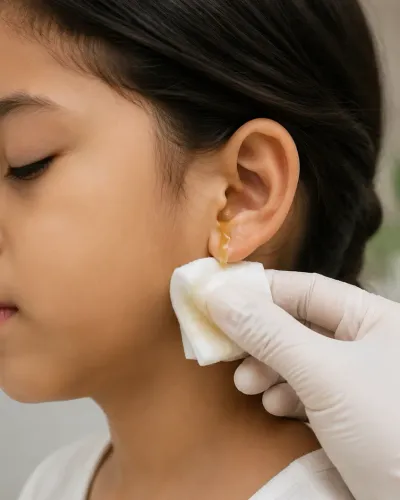
- Earwax blockage
- Injuries to the ear
- Certain viral or bacterial infections
Fortunately, many childhood hearing problems are temporary or treatable when identified early.
How Can Hearing Problems Affect School Performance?
Children with undiagnosed hearing loss may appear inattentive or distracted when, in reality, they are struggling to hear classroom instructions.
They may:
- Miss important information during lessons
- Have difficulty learning new words
- Find group discussions challenging
- Become frustrated during communication
- Develop lower confidence in social situations
Early hearing assessment allows parents, teachers, and healthcare providers to support the child's learning more effectively.
What If Hearing Loss Is Diagnosed?
A hearing assessment is only the first step. If hearing loss is identified, treatment depends on the underlying cause.
Management may include:
- Medical treatment for infections
- Removal of earwax if required
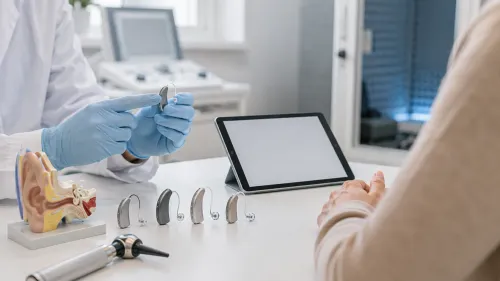
- Hearing aids
- Surgical treatment for selected conditions
- Speech and language therapy
- Regular hearing monitoring
- Educational support when needed
The treatment plan is individualized based on the child's diagnosis, age, and developmental needs.
Can Hearing Problems Be Prevented?
Although not every type of hearing loss can be prevented, parents can reduce certain risks by:
- Treating ear infections promptly
- Avoiding inserting objects into the ear
- Protecting children from excessive noise exposure
- Keeping routine health appointments
- Seeking evaluation for any speech or hearing concerns without delay
Regular hearing checks become especially valuable for children with recurrent ear infections or developmental concerns.
Choosing the Right ENT Specialist for Your Child
If you are considering a pediatric hearing assessment in Bangalore, selecting an ENT specialist experienced in evaluating children is essential. Young patients require age-appropriate testing methods, a child-friendly environment, and careful interpretation of results to ensure an accurate diagnosis.
At Dr. Sohini's ENT Care - Empathy meets Expertise, comprehensive pediatric hearing evaluations are tailored to each child's age and individual needs. The clinic combines advanced diagnostic techniques with compassionate care to assess hearing concerns, speech delays, recurrent ear infections, and other ENT-related conditions in children.
A child's ability to hear clearly has a lasting impact on communication, education, and overall development. Timely hearing assessments not only identify problems early but also provide families with the guidance needed to support healthy growth and a brighter future.
Keywords