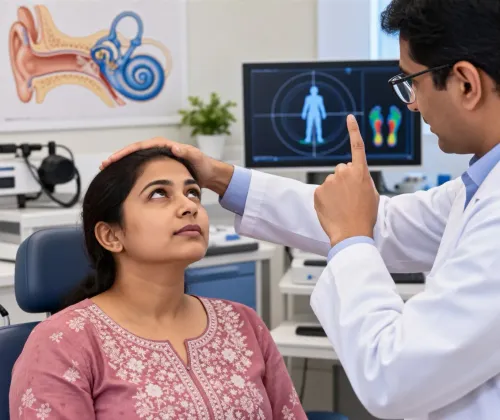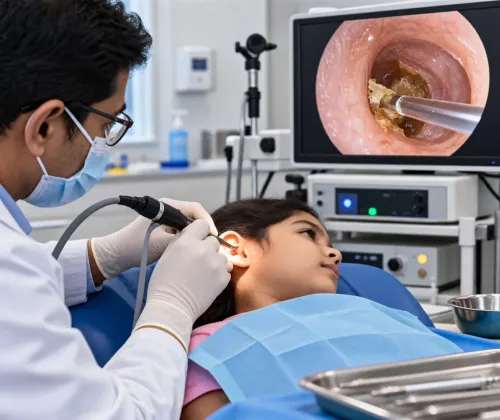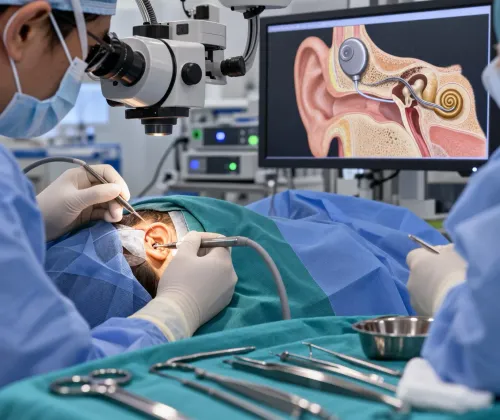
Hearing plays a vital role in communication, learning, and overall quality of life. While many hearing problems can be identified through routine hearing tests, some situations require a more advanced evaluation. This is where a BERA and ABR hearing test in Bangalore becomes an important diagnostic tool. These tests help assess how sound signals travel from the ear to the brain, making them especially useful for newborns, young children, individuals who cannot respond reliably to conventional hearing tests, and adults with specific hearing or neurological concerns.
If your ENT specialist has recommended a BERA or ABR test, understanding the purpose, procedure, and benefits can help you feel more confident before your appointment.
What Are BERA and ABR Hearing Tests?
BERA (Brainstem Evoked Response Audiometry) and ABR (Auditory Brainstem Response) refer to the same diagnostic test. It measures the electrical activity generated by the auditory nerve and brainstem in response to sound.
Unlike routine hearing tests that require patients to actively respond when they hear a sound, BERA/ABR records the brain's response automatically. This makes it an objective hearing assessment that does not depend on the patient's ability to communicate.
The test is painless, non-invasive, and widely used for evaluating hearing in both children and adults.
Why Might Your Doctor Recommend a BERA or ABR Test?
There are several situations where this test provides valuable information.
It may be recommended for:
- Newborn hearing screening when further evaluation is required
- Infants or young children who cannot participate in standard hearing tests
- Delayed speech or language development
- Suspected hearing loss
- Sudden hearing changes
- Persistent tinnitus in selected cases
- Dizziness associated with possible auditory nerve disorders
- Monitoring hearing before or after certain treatments
- Evaluation of auditory nerve function
For many patients, the test helps determine whether hearing loss is related to the ear itself or the nerve pathways carrying sound to the brain.
How Does the Test Work?
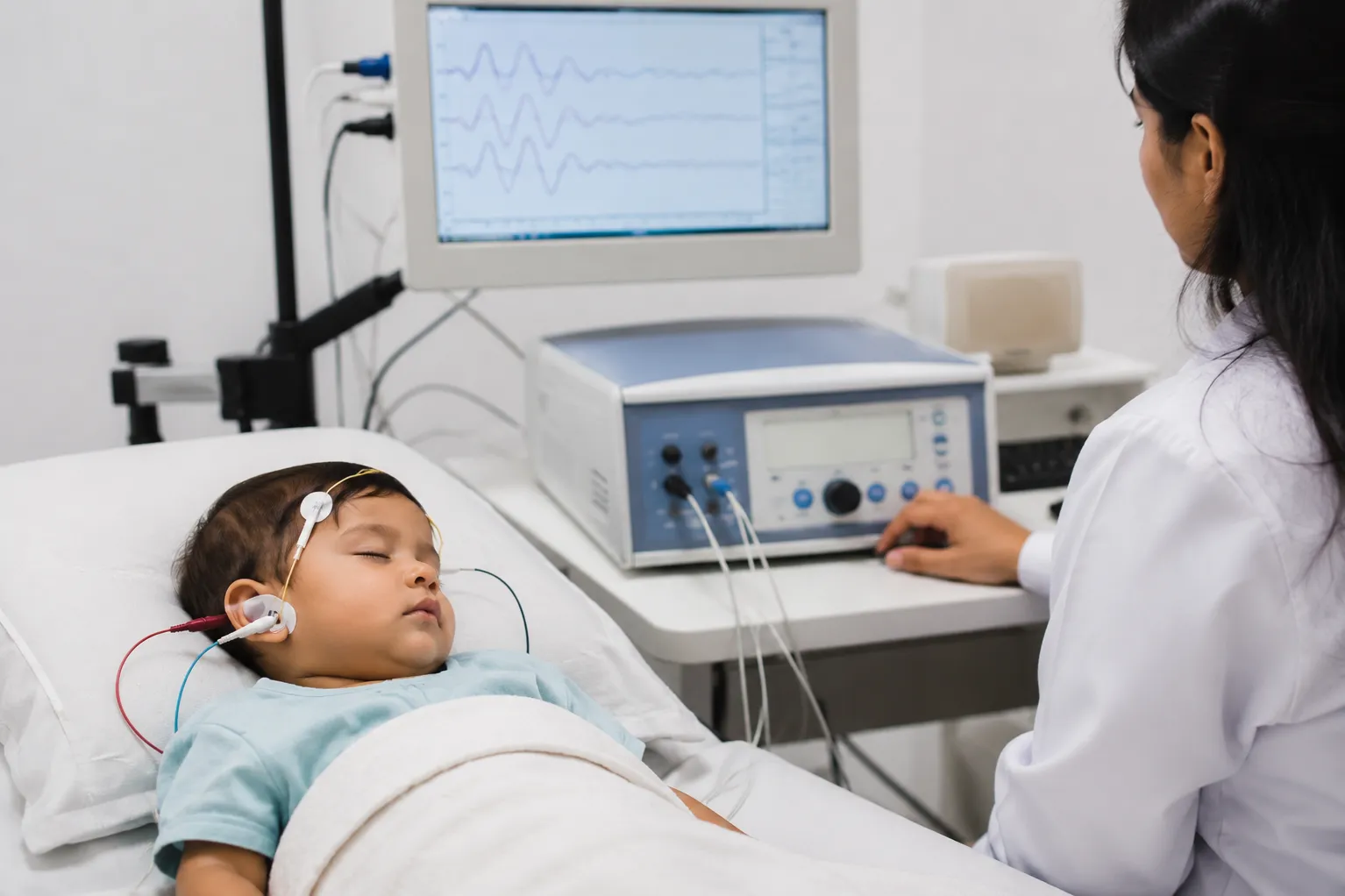
During the procedure, small recording electrodes are placed on the scalp and around the ears. Soft earphones deliver a series of clicking sounds or tone bursts into each ear.
The electrodes detect tiny electrical signals generated as the sound travels through the auditory nerve to the brainstem. A computer records these responses as waveforms, which are then interpreted by an experienced specialist.
Since the test measures automatic brain responses, patients simply need to remain relaxed and as still as possible throughout the procedure.
Is the Test Painful?
One of the most common questions patients ask is whether the test causes discomfort.
The answer is no.
BERA and ABR testing is completely non-invasive. No needles or injections are involved. The electrodes only record electrical activity they do not deliver electricity into the body.
Adults usually remain awake during the procedure, while infants are often tested during natural sleep. In certain situations, mild sedation may be considered for young children who are unable to remain still, but this decision is made only after careful medical evaluation.
How Long Does the Test Take?
The duration depends on the patient's age, level of cooperation, and the purpose of the evaluation.
On average:
- Adults may complete the test in 30 to 60 minutes.
- Infants and young children may require additional time if testing is performed during natural sleep or under sedation.
- Complex evaluations may take slightly longer.
The healthcare team will explain the expected duration before the procedure begins.
What Conditions Can BERA and ABR Help Diagnose?
These tests provide important information for diagnosing a variety of hearing-related conditions.
They may assist in identifying:
- Congenital hearing loss
- Sensorineural hearing loss
- Auditory nerve disorders
- Hearing impairment in newborns
- Hearing problems in children with developmental delays
- Certain neurological conditions affecting hearing pathways
- Hearing changes following injury or illness
The test results are interpreted alongside other clinical findings rather than in isolation.
How Should You Prepare?
Preparation is usually straightforward.
Adults are advised to:
- Wash their hair before the appointment without applying oils or styling products.
- Wear comfortable clothing.
- Inform the doctor about any medications they are taking.
- Follow instructions regarding sleep or sedation if applicable.
For infants, parents may be asked to bring the baby well-fed and sleepy so that the child is more likely to remain asleep during the test.
Following these simple instructions helps improve the quality of the recordings.
What Happens After the Test?
The recorded responses are carefully analyzed by the ENT specialist or audiologist. The findings help determine whether sound signals are reaching the brain normally and whether further evaluation or treatment is required.
Depending on the results, recommendations may include:
- Additional hearing tests
- Hearing aids when appropriate
- Speech and language assessment
- Regular hearing monitoring
- Medical or surgical treatment if an underlying ENT condition is identified
Early diagnosis often leads to more effective management, especially in children where hearing plays a crucial role in speech and language development.
Why Early Hearing Assessment Matters
Hearing loss is not always immediately obvious. Adults may gradually adapt to reduced hearing, while children may struggle with speech, learning, or social interaction before anyone realizes there is an underlying hearing problem.
Timely evaluation allows healthcare professionals to identify hearing issues at an early stage and recommend suitable interventions before they begin affecting communication, education, or daily life.
Choosing the Right ENT Centre for Hearing Evaluation
If you are looking for a BERA and ABR hearing test in Bangalore, choosing an ENT clinic with experienced specialists and comprehensive diagnostic facilities is essential. Accurate testing, careful interpretation of results, and individualized treatment planning all contribute to better hearing outcomes.
At Dr. Sohini's ENT Care - Empathy meets Expertise, patients of all age groups receive detailed hearing evaluations using evidence-based diagnostic techniques. The clinic provides comprehensive assessment for hearing concerns, delayed speech, newborn hearing evaluation, and adult hearing disorders, ensuring that each patient receives personalized care based on their unique needs.
Whether the concern involves a newborn, a growing child, or an adult experiencing hearing changes, early assessment can make a meaningful difference. Identifying hearing problems at the right time allows appropriate treatment, supports better communication, and helps improve long-term quality of life.
Keywords