Hearing loss can develop gradually, making it difficult to notice until everyday conversations become challenging. Many people assume hearing aids are the only solution, but certain types of hearing loss can be treated surgically. One such procedure is stapes surgery for hearing restoration in Bangalore, which is commonly recommended for patients diagnosed with otosclerosis.
If you've recently been told you have otosclerosis or your ENT specialist has discussed stapes surgery, understanding how the condition affects hearing and what the procedure involves can help you make an informed decision.
What Is Otosclerosis?
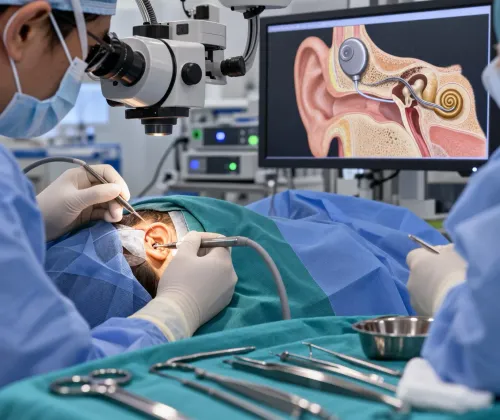
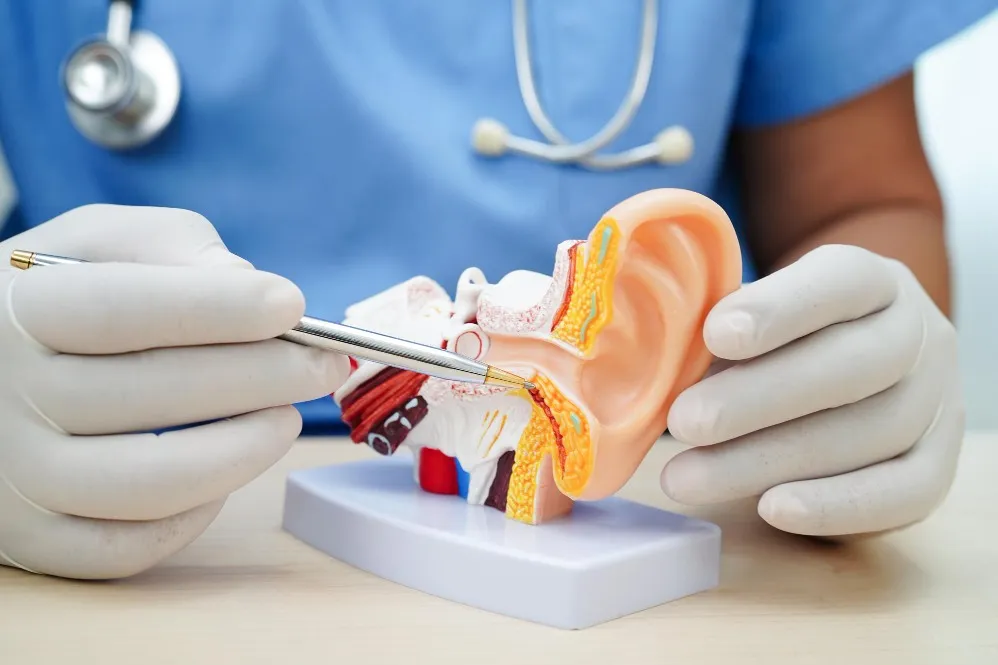
Inside the middle ear are three tiny bones the malleus, incus, and stapes that work together to transmit sound vibrations to the inner ear. The stapes, the smallest bone in the human body, plays a vital role in hearing.
Otosclerosis is a condition in which abnormal bone growth develops around the stapes. As this bone gradually becomes fixed in place, it cannot vibrate normally, reducing the transmission of sound. The result is conductive hearing loss, which often worsens over time if left untreated.
The condition usually develops slowly and may affect one or both ears. It is commonly diagnosed in young and middle-aged adults and may have a genetic component.
Common Symptoms of Otosclerosis
The symptoms often appear gradually, making them easy to overlook during the early stages.
You should consider an ENT evaluation if you notice:
- Progressive hearing loss
- Difficulty hearing soft voices
- Trouble understanding conversations in noisy environments
- Ringing in the ears (tinnitus)
- Hearing better in noisy surroundings than in quiet rooms (Paracusis Willisii)
- A family history of otosclerosis
Unlike hearing loss caused by infections or aging, otosclerosis usually does not cause pain or ear discharge.
How Is the Diagnosis Made?
An accurate diagnosis is essential before deciding on treatment.
Your ENT specialist may recommend:
- A detailed medical history
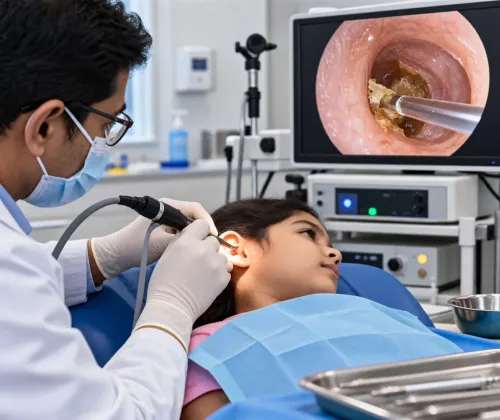
- Examination of the ears
- Pure Tone Audiometry (PTA)
- Tympanometry
- Speech audiometry
- CT scan in selected cases when additional information is required
These investigations help confirm whether the hearing loss is due to otosclerosis or another ear condition.
Is Surgery Always Necessary?
Not every patient with otosclerosis requires surgery immediately.
Treatment options depend on:
- The severity of hearing loss
- The patient's age
- Lifestyle and communication needs
- General health
- Hearing status in both ears
Some patients benefit from observation or hearing aids, while others are good candidates for surgery. The decision should always be individualized after a complete evaluation.
What Is Stapes Surgery?
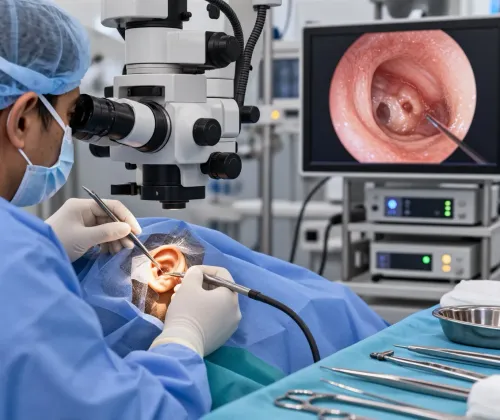
Stapes surgery, commonly called stapedotomy or stapedectomy, is a microsurgical procedure performed to improve sound transmission in patients with conductive hearing loss caused by otosclerosis.
During the operation, the immobilized stapes bone is either partially or completely replaced with a tiny prosthesis. This allows sound vibrations to reach the inner ear more effectively.
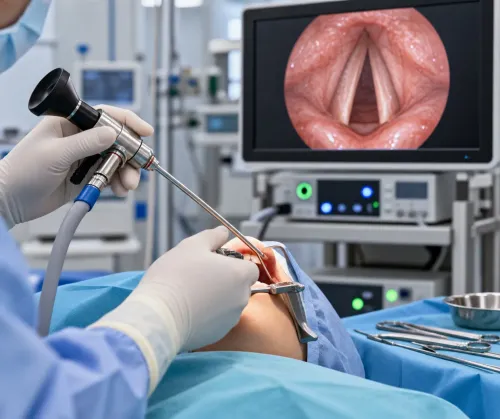
The surgery is performed using high-powered microscopes or endoscopic techniques, allowing the surgeon to work with exceptional precision inside the delicate structures of the middle ear.
Benefits of Stapes Surgery
For appropriately selected patients, surgery may offer several advantages.
Potential benefits include:
- Improved hearing
- Reduced dependence on hearing aids
- Better speech understanding
- Improved quality of life
- Easier communication in daily situations
The degree of hearing improvement varies depending on the condition of the inner ear and other individual factors.
What Happens During the Procedure?
Stapes surgery is usually performed under local or general anaesthesia, depending on the patient's condition and the surgeon's recommendation.
The procedure generally involves:
- Accessing the middle ear through the ear canal.
- Carefully examining the hearing bones.
- Removing or bypassing the fixed stapes bone.
- Positioning a specially designed prosthesis.
- Confirming proper movement before completing the surgery.
Since the operation is performed through the ear canal in most cases, external scars are generally not visible.
Recovery After Surgery
Most patients recover gradually over the following weeks.
Your ENT specialist may recommend:
- Avoiding heavy lifting for a short period
- Refraining from forceful nose blowing
- Keeping water out of the ear
- Taking medications as prescribed
- Sleeping with the operated ear protected if advised
- Attending scheduled follow-up visits
Hearing improvement may be noticed within days for some patients, while others experience gradual improvement as healing progresses.
Are There Any Risks?
Like every surgical procedure, stapes surgery carries certain risks, although serious complications are uncommon when performed by an experienced ENT surgeon.
Possible risks include:
- Temporary dizziness
- Altered taste sensation
- Persistent hearing loss
- Tinnitus
- Infection
- Rare injury to nearby ear structures
Your surgeon will explain the potential benefits and risks based on your individual condition before recommending surgery.
Who Is a Good Candidate?
You may be considered for stapes surgery if:
- Hearing tests confirm conductive hearing loss due to otosclerosis.
- The inner ear is functioning well.
- Your hearing loss is affecting daily life.
- There is no active ear infection.
- You are medically fit for surgery.
A comprehensive assessment helps determine whether surgery is the most suitable option.
Choosing the Right ENT Specialist
If you are exploring stapes surgery for hearing restoration in Bangalore, choosing an ENT specialist with experience in microscopic and endoscopic ear surgery is essential. Every patient's hearing profile is unique, and treatment decisions should be based on detailed clinical examination and audiological testing rather than symptoms alone.
At Dr. Sohini's ENT Care - Empathy meets Expertise, patients undergo thorough hearing evaluations using advanced diagnostic techniques before treatment recommendations are made. The clinic focuses on evidence-based care, personalized treatment planning, and helping patients understand every available option for managing hearing loss.
Difficulty hearing conversations should never be accepted as an inevitable part of life without evaluation. Early diagnosis of conditions such as otosclerosis allows timely intervention, helping many patients achieve better hearing and improved confidence in everyday communication.
Keywords