Children learn language by listening to speech, recognising patterns, and connecting sounds with meaning. Hearing difficulty can therefore affect much more than the ability to hear quietly spoken words. It may influence speech development, classroom participation, behaviour, confidence, and social interaction.
Some children are born with hearing loss. Others develop temporary or permanent difficulty after birth. Early evaluation helps determine what the child can hear and what support may be needed.
Signs Parents May Notice at Different Ages
A baby may need hearing evaluation if the child:
- Does not startle at loud sounds
- Does not turn towards a familiar voice
- Responds inconsistently to sound
- Does not begin babbling as expected
- Had an abnormal or incomplete newborn hearing screening
In toddlers, possible signs include delayed speech, unclear pronunciation, limited vocabulary, or relying heavily on gestures.
School-age children may:
- Frequently ask people to repeat themselves
- Increase television or device volume
- Appear inattentive in class
- Watch faces closely during conversation
- Struggle more in noisy places
- Misunderstand verbal instructions
- Develop unexplained academic difficulties
These behaviours do not automatically confirm hearing loss, but they provide good reasons to arrange an assessment.
Temporary Hearing Difficulty Still Matters
Fluid behind the eardrum, sometimes called glue ear, is a common cause of temporary hearing reduction in children. It may develop after colds or ear infections and can affect one or both ears.
Persistent fluid may make speech sound distant or unclear. The NHS guidance on glue ear notes that prolonged cases can affect speech development and progress at school.
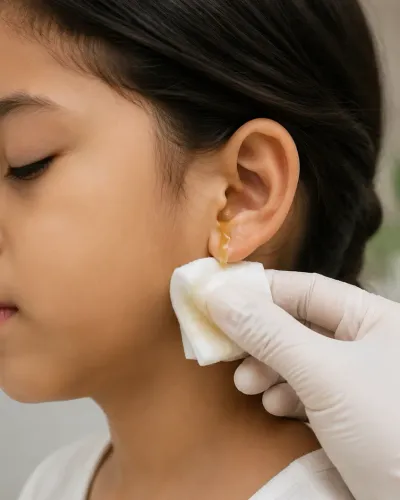
Wax blockage and active ear infections may also reduce hearing temporarily. Other children have sensorineural hearing loss involving the inner ear or hearing nerve. The correct support depends on which part of the hearing system is affected.
What a Pediatric Hearing Assessment Includes
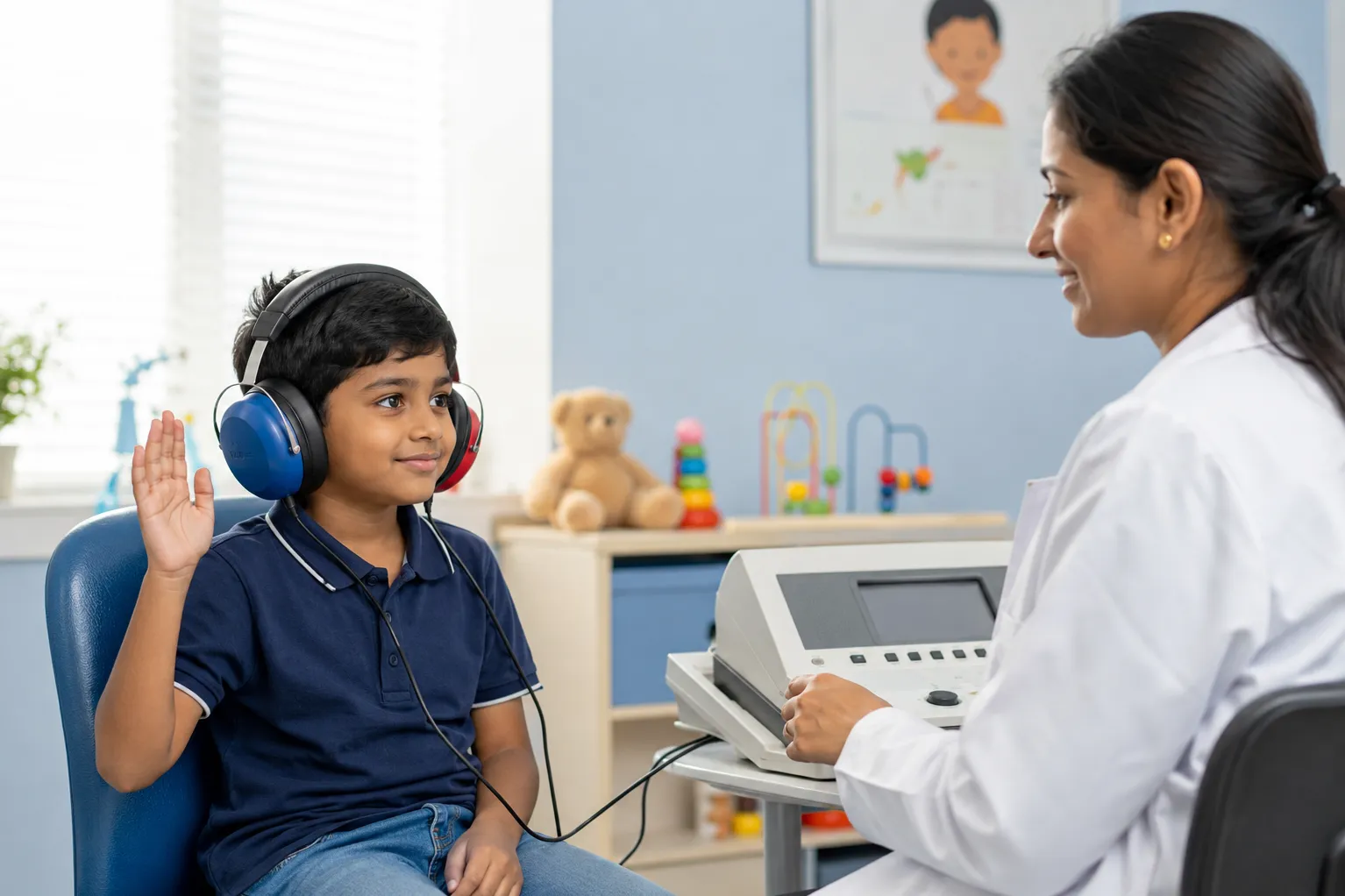
A pediatric hearing loss specialist in Bangalore selects tests according to the child’s age and developmental level. Infants do not need to raise a hand or press a button for every type of test.
Assessment may include:
- Examination of the ear canal and eardrum
- Tympanometry to check middle-ear movement and pressure
- Otoacoustic emission testing
- Auditory brainstem response testing
- Visual reinforcement audiometry
- Play-based or conventional pure-tone audiometry
- Speech perception testing
Parents may also be asked about pregnancy, birth history, newborn screening, infections, family history, medication exposure, speech milestones, and school performance.
Why Early Action Is Valuable
The goal is not simply to attach a label to the child’s hearing. It is to make spoken language, learning, and communication as accessible as possible.
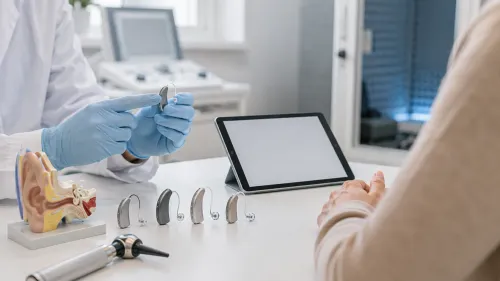
Depending on the diagnosis, support may involve observation, treatment of an ear condition, hearing aids, implant evaluation, speech-language therapy, classroom accommodations, or a combination of measures.
The National Institute on Deafness and Other Communication Disorders provides extensive resources on childhood hearing assessment and communication support, emphasising the importance of age-appropriate evaluation.
Preparing for the Appointment
Parents visiting from Kundalahalli can make the assessment more useful by carrying:
- Newborn hearing-screening records
- Previous audiograms or prescriptions
- School observations
- Speech or developmental reports
- A list of ear infections and treatments
- Details of family hearing history
Young children may cooperate better after a normal meal and adequate sleep. Parents should avoid coaching them to respond during testing, as the audiologist needs to identify consistent and reliable reactions.
A child who passes a newborn screen can still develop hearing difficulty later. Conversely, delayed speech does not always result from hearing loss. Both points make formal assessment valuable.
Prompt attention is particularly important after sudden hearing change, meningitis, head trauma, exposure to medicines that can affect hearing, or recurrent ear discharge. A careful evaluation provides families with clear information and helps the child receive the right support at the right stage of development.
Keywords