
Loss of smell, medically called anosmia, can make food seem tasteless and reduce the ability to detect smoke, leaking gas, or spoiled food. Some people lose smell completely, while others notice that familiar odours have become weak or distorted.
Treatment depends heavily on why the change occurred and how suddenly it developed.
Common Causes of Smell Loss
Smell molecules must reach receptors high inside the nose. Swelling, mucus, polyps, or structural obstruction can prevent this. In other cases, the nose appears open but the smell pathway itself has been affected.
Possible causes include:
- A viral respiratory infection
- Allergic rhinitis
- Chronic sinusitis
- Nasal polyps
- Significant nasal blockage
- Head injury
- Exposure to certain chemicals
- Some medicines
- Age-related change
- Neurological conditions
Occasionally, no definite cause is found despite appropriate assessment.
Temporary Congestion Compared With Persistent Anosmia
Smell often decreases during a cold because swollen nasal tissue blocks airflow. It usually improves as the illness resolves.
Further assessment is sensible when smell does not return, disappears without obvious congestion, affects only one nostril, follows head trauma, or occurs with neurological symptoms.
Distorted smell, called parosmia, may develop during recovery after a viral illness. Familiar foods may smell burnt, chemical, or unpleasant. This can affect appetite and emotional wellbeing even though it sometimes indicates that the smell system is changing during recovery.
What an ENT Evaluation May Involve
During an appointment for anosmia treatment in Bangalore, the ENT specialist reviews the timing and pattern of the loss. Important details include recent infections, allergy symptoms, sinus problems, nasal surgery, trauma, medication changes, smoking, and occupational exposures.
Assessment may involve:
- Examination of the nasal passages
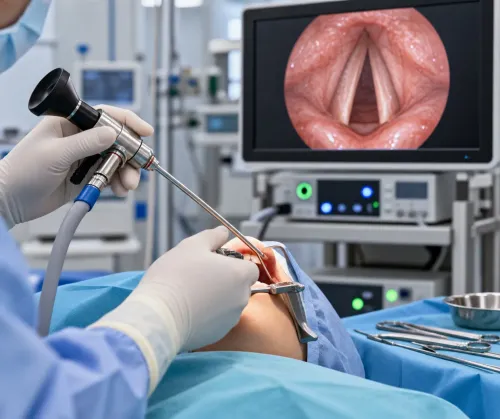
- Nasal endoscopy
- Formal or structured smell testing
- Evaluation for allergy or sinus disease
- Imaging when indicated
- Referral for neurological assessment in selected cases
Not every patient requires a scan. The decision depends on examination findings and associated symptoms.
Treatment Is Cause-Specific
When nasal inflammation prevents odours from reaching the smell area, managing the underlying allergy, sinusitis, or polyps may help. Medication should be chosen according to the diagnosis rather than tried indefinitely without review.
Smell training is sometimes recommended for post-viral or other forms of smell loss. It involves regularly and attentively smelling a small set of distinct odours over an extended period. Improvement may be gradual, and not everyone recovers at the same rate.
The NIDCD information on smell disorders explains that assessment may include an ENT examination, health history, and tests designed to measure smell function.
Safety Measures While Smell Is Reduced
People living alone or cooking frequently should make practical adjustments:
- Ensure smoke alarms work.
- Consider a gas detector where appropriate.
- Check food expiry dates rather than relying on smell.
- Label leftovers with preparation dates.
- Ask another person to verify uncertain food.
- Maintain good oral hygiene if altered flavour affects eating.
- Monitor nutrition and unintended weight loss.
Residents of Kundalahalli who travel through pollution-heavy routes or work around chemicals should mention these exposures during assessment.
Warning Signs That Need Timely Review
Seek prompt medical attention if smell loss follows a significant head injury or occurs with severe headache, weakness, confusion, visual change, seizures, or other neurological symptoms.
One-sided nasal blockage, repeated bleeding, facial swelling, or a persistent unpleasant smell confined to one side also requires examination.
Anosmia should not be managed solely by repeatedly using decongestants. A structured evaluation can distinguish blocked airflow from injury to the smell pathway and identify when further investigation is appropriate. Even when recovery is uncertain, diagnosis, safety planning, and symptom-specific support can make the condition more manageable.
Keywords