Most people associate recurring ear infections with temporary discomfort that improves after medication. However, in some cases, repeated infections or long-standing ear problems may lead to the development of a cholesteatoma, a condition that requires prompt medical attention. If you are searching for cholesteatoma surgery in Bangalore, understanding this condition and the importance of early treatment can help you avoid serious complications.
Despite its name, a cholesteatoma is not a cancerous growth. It is an abnormal collection of skin cells that develops inside the middle ear or mastoid bone. Over time, this tissue can continue to grow, damaging nearby structures responsible for hearing and balance. Left untreated, it may lead to persistent infections, hearing loss, dizziness, and, in rare cases, more severe complications.
What Is a Cholesteatoma?
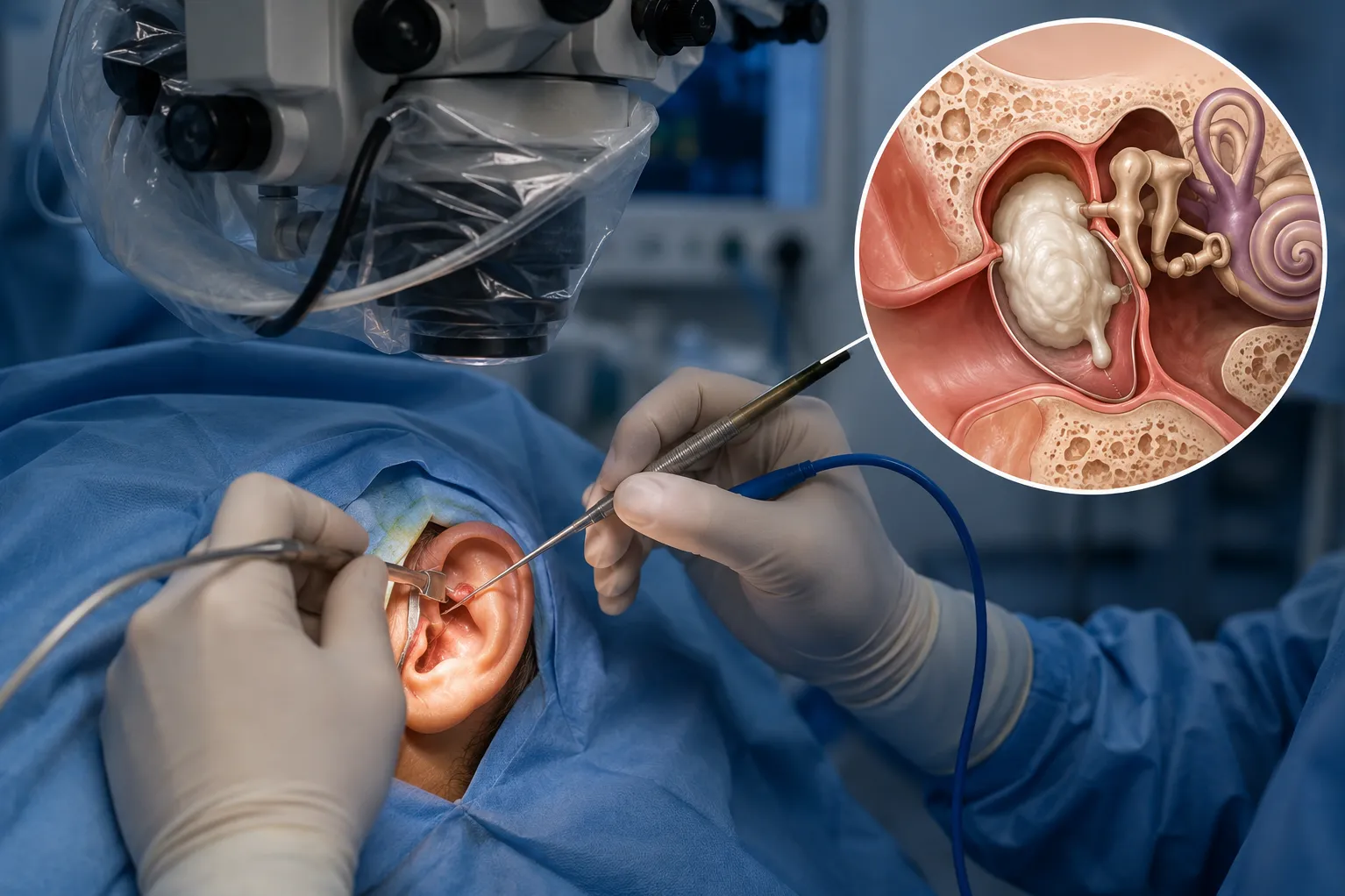
The middle ear is normally lined with delicate tissue that helps transmit sound efficiently. A cholesteatoma develops when layers of skin cells accumulate where they do not belong. Instead of shedding naturally, these cells continue to build up, forming a sac-like growth.
Several factors can contribute to its development, including:
- Chronic middle ear infections
- Long-standing eardrum perforations
- Poor Eustachian tube function
- Previous ear surgery
- Congenital cholesteatoma, which is present from birth but may remain unnoticed for years
As the abnormal tissue enlarges, it can erode nearby bone and interfere with normal hearing.
Symptoms That Should Never Be Ignored
The symptoms of a cholesteatoma often develop gradually, making them easy to overlook during the early stages.
Common warning signs include:
- Persistent or foul-smelling ear discharge
- Hearing loss in one ear
- A feeling of fullness inside the ear
- Recurrent ear infections
- Ear pain or pressure
- Ringing in the ear
- Occasional dizziness or imbalance
Some people experience symptoms for months before seeking medical advice, allowing the condition to progress unnoticed.
Why Early Diagnosis Matters
A cholesteatoma does not disappear with antibiotics alone. While medications may temporarily control infection, they cannot remove the abnormal tissue.
Without treatment, the condition may gradually damage:
- The eardrum
- The tiny hearing bones
- The mastoid bone
- The balance organs of the inner ear
- Nearby facial nerve structures
Early diagnosis allows treatment before significant damage occurs, improving the chances of preserving hearing and reducing the risk of complications.
How Is a Cholesteatoma Diagnosed?
An ENT specialist performs a detailed evaluation to determine whether a cholesteatoma is present and assess its extent.
The assessment may include:
- A detailed medical history focusing on previous ear infections.
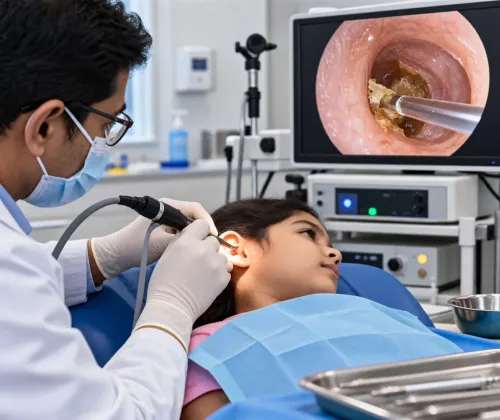
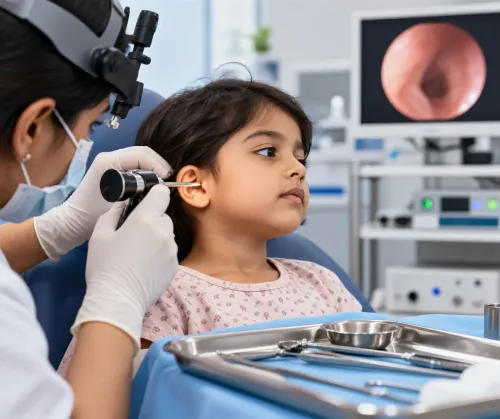
- Examination of the ear using an otoscope or endoscope.
- Hearing tests to evaluate hearing function.
- CT imaging when necessary to understand the extent of disease.
- Assessment of the opposite ear, as chronic ear disease can sometimes affect both ears.
Accurate diagnosis helps determine the most appropriate treatment approach.
Why Is Surgery Usually Recommended?
Unlike ordinary ear infections, a cholesteatoma continues to enlarge if left untreated. Surgery is generally the most effective way to remove the abnormal tissue and reduce the risk of recurrence.
The goals of cholesteatoma surgery in Bangalore include:
- Removing the cholesteatoma completely where possible
- Eliminating ongoing infection
- Preventing further bone damage
- Preserving hearing whenever feasible
- Creating a healthy, dry ear
The exact surgical technique depends on the size and location of the cholesteatoma, the condition of the hearing bones, and whether the mastoid bone is involved.
What Happens During Cholesteatoma Surgery?
The procedure is usually performed under general anaesthesia.
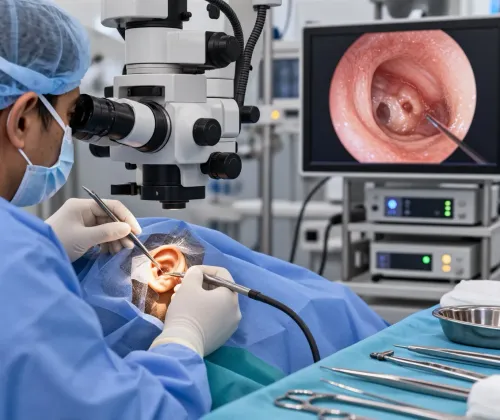
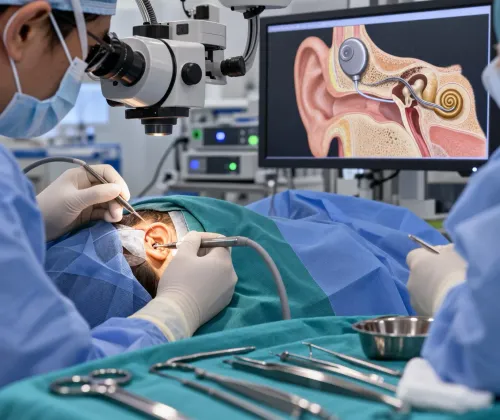
During surgery, the ENT surgeon carefully removes the abnormal tissue while protecting nearby structures such as the facial nerve and inner ear. If the hearing bones have been damaged, reconstruction may be performed during the same procedure or planned for a later stage, depending on the extent of disease.
Some patients may also require repair of the eardrum or treatment of associated mastoid disease as part of the surgery.
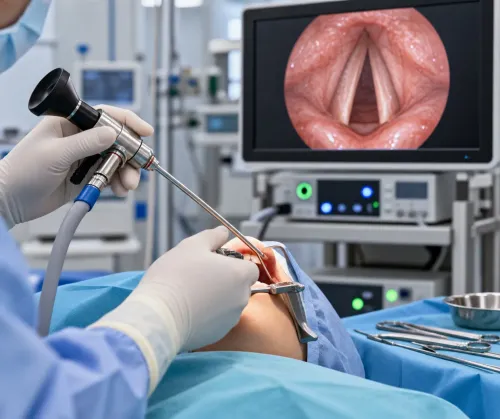
Advances in surgical microscopes and endoscopic techniques have improved precision, helping surgeons visualize difficult-to-reach areas of the middle ear.
What Is Recovery Like?
Recovery varies from patient to patient, but most individuals can gradually return to routine activities over the following weeks.
After surgery, patients are commonly advised to:
- Keep the ear dry during healing.
- Take prescribed medications as directed.
- Avoid strenuous physical activity initially.
- Attend all follow-up appointments.
- Report fever, increasing pain, or excessive discharge promptly.
Hearing may improve gradually, although the final outcome depends on the extent of disease before surgery and whether reconstruction was required.
Can Cholesteatoma Return?
Although surgery aims to remove all abnormal tissue, cholesteatoma can occasionally recur, particularly in complex cases. This is why regular follow-up examinations remain an important part of long-term care.
Your ENT specialist may recommend periodic ear examinations and hearing assessments to ensure the ear continues to heal well.
Choosing the Right ENT Specialist
If you are considering cholesteatoma surgery in Bangalore, selecting an experienced ENT specialist is essential because every case requires careful evaluation and individualized treatment planning. Surgery is designed not only to remove the disease but also to preserve hearing and reduce the risk of future complications whenever possible.
At Dr. Sohini's ENT Care - Empathy meets Expertise, patients with chronic ear disease receive comprehensive evaluations using modern diagnostic methods to understand the extent of the condition before recommending treatment. The clinic offers personalized care for adults and children, focusing on evidence-based management, patient education, and long-term ear health.
Persistent ear discharge, repeated infections, or unexplained hearing loss should never be ignored. Seeking early evaluation can lead to timely treatment, protect important ear structures, and improve the chances of maintaining healthy hearing for years to come.
Keywords