A blocked nose that never seems to clear, repeated sinus infections, facial pressure, headaches, or difficulty breathing can significantly affect your daily life. While medications often provide temporary relief, some people continue to experience symptoms because of structural problems inside the nose or chronic sinus disease. In such cases, your ENT specialist may recommend endoscopic septoplasty and FESS surgery in Bangalore.
Many patients are unfamiliar with these procedures and often wonder whether they are the same. Although they are frequently performed together, septoplasty and Functional Endoscopic Sinus Surgery (FESS) address different problems. Understanding how they work can help you make informed decisions about your treatment.
Why Does Chronic Nasal Blockage Occur?
Nasal obstruction is one of the most common reasons people visit an ENT specialist. While allergies and viral infections can temporarily block the nose, persistent symptoms often indicate an underlying structural or sinus-related issue.
Common causes include:
- Deviated nasal septum
- Chronic sinusitis
- Nasal polyps
- Recurrent sinus infections
- Enlarged turbinates
- Long-standing allergies
- Previous nasal injuries
Identifying the exact cause is essential because treatment varies depending on the diagnosis.
What Is Septoplasty?
The nasal septum is the wall of cartilage and bone that separates the two nostrils. Ideally, it should divide the nose evenly. However, in many individuals, the septum is bent or deviated.
A deviated septum may cause:
- Difficulty breathing through one or both nostrils
- Frequent nasal blockage
- Recurrent nosebleeds
- Poor sleep due to nasal obstruction
- Difficulty using nasal sprays effectively
Septoplasty is a surgical procedure that straightens the deviated septum, improving airflow without changing the external appearance of the nose.
What Is Functional Endoscopic Sinus Surgery (FESS)?
FESS is a minimally invasive procedure used to treat chronic sinus disease when medications no longer provide adequate relief.
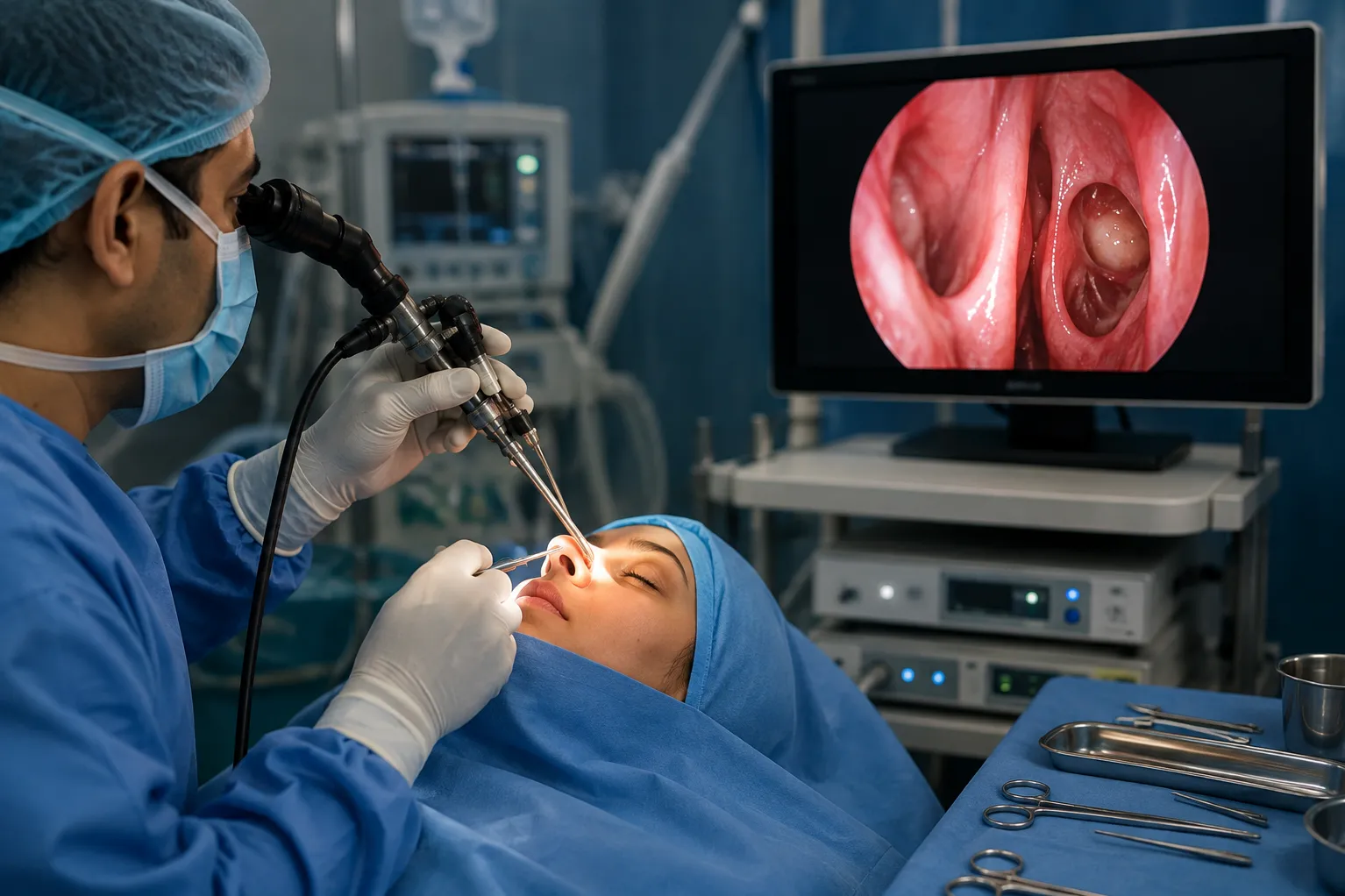
Using a high-definition endoscope inserted through the nostrils, the ENT surgeon removes blockages and improves drainage from the sinuses.
FESS may be recommended for patients with:
- Chronic sinusitis
- Recurrent sinus infections
- Nasal polyps
- Persistent facial pain related to sinus disease
- Sinus blockage visible on CT imaging
- Poor response to medical treatment
The procedure aims to restore normal sinus ventilation while preserving healthy tissue.
Why Are Septoplasty and FESS Often Performed Together?
Although they treat different conditions, these procedures complement each other in many patients.
For example:
- A deviated septum can limit access to the sinuses during surgery.
- Straightening the septum improves surgical visibility.
- Correcting both structural and sinus problems may lead to better long-term symptom relief.
- Patients avoid undergoing two separate surgeries and recovery periods.
Whether both procedures are necessary depends entirely on your examination findings and imaging results.
How Is the Diagnosis Made?
Before recommending surgery, your ENT specialist performs a detailed assessment that may include:
- A discussion of your symptoms and medical history
- Nasal endoscopy
- Physical examination
- CT scan of the paranasal sinuses
- Allergy evaluation if indicated
These investigations help determine whether symptoms are caused by a deviated septum, sinus disease, allergies, or a combination of factors.
What Happens During Surgery?
Both septoplasty and FESS are performed through the nostrils using specialised endoscopic equipment.
During septoplasty:
- The surgeon carefully repositions or reshapes the deviated septum.
- Healthy supporting structures are preserved whenever possible.
During FESS:
- Blocked sinus openings are widened.
- Inflamed tissue or polyps may be removed when necessary.
- Normal drainage pathways are restored.
Because there are usually no external incisions, visible scarring is generally avoided.
What Are the Benefits?
Patients who are appropriate candidates may experience several improvements after surgery.
Potential benefits include:
- Better nasal breathing
- Reduced frequency of sinus infections
- Improved sinus drainage
- Less facial pressure
- Better sleep quality
- Improved sense of smell in suitable cases
- Easier participation in daily activities
Individual outcomes depend on the underlying condition, overall health, and adherence to post-operative care.
Recovery After Endoscopic Surgery
Recovery varies from one person to another, but most patients gradually resume normal activities within a few days to a couple of weeks.
Your ENT specialist may advise you to:
- Use saline nasal irrigation as recommended.
- Avoid strenuous exercise initially.
- Refrain from forceful nose blowing.
- Attend follow-up appointments for nasal cleaning and healing assessment.
- Take prescribed medications regularly.
Temporary nasal congestion during healing is common and usually improves over time.
Is Surgery Always Necessary?
Not necessarily.
Many patients improve with medical management, including:
- Nasal steroid sprays
- Saline irrigation
- Allergy treatment
- Antibiotics when appropriate
- Lifestyle modifications
Surgery is considered only when symptoms persist despite appropriate treatment or when structural abnormalities significantly affect nasal function.
Choosing the Right ENT Specialist
If you are considering endoscopic septoplasty and FESS surgery in Bangalore, choosing an ENT specialist with expertise in endoscopic nasal and sinus surgery is important. Accurate diagnosis, careful patient selection, and personalized treatment planning help ensure the best possible outcomes.
At Dr. Sohini's ENT Care - Empathy meets Expertise, patients with chronic nasal blockage, recurrent sinus infections, deviated nasal septum, and sinus disorders receive comprehensive evaluations using advanced endoscopic techniques. Treatment recommendations are based on clinical findings, imaging studies, and individual health needs, ensuring evidence-based care for every patient.
Living with constant nasal congestion or recurring sinus infections should not become your normal. Early evaluation and appropriate treatment can improve breathing, reduce recurrent illness, and help you enjoy a better quality of life.
Keywords